When
May 10 – June 6, 2026
MU Shanghai · Proof of Living
MU Shanghai 2026 · 05/10–06/06
Month-long experimenters reveal before/after data — HRV coherence shifts, sleep efficiency changes, VO2 estimates, blood biomarker deltas. Week-long hackathon teams demo what they built. Everything ships into the Longevity Commons — open-source, for anyone to build on.
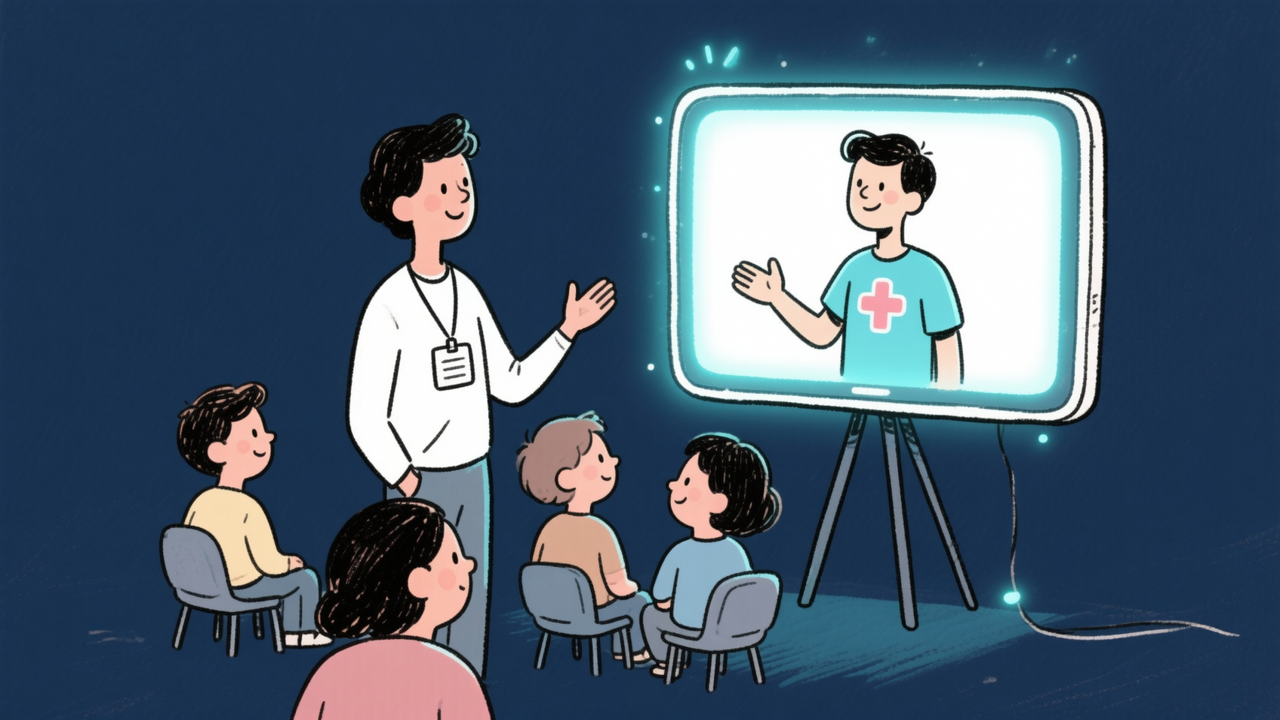
Four weeks of coliving. Five measurement layers. One moment to show what actually changed. Proof of Living (PoL) is the final showcase of MU Shanghai’s Longevity Experience Month.
When
May 10 – June 6, 2026
Where
MU Shanghai · Hongqiao · Shanghai
Who presents
Biohacker leads, track participants, builders, continued BioBloom teams
Who attends
Entire MU Shanghai community + invited researchers, investors, press
Archive
Everything → Longevity Commons
Every PoL presenter — regardless of track — must address three things. No exceptions.
What did you measure? What signals did you watch?
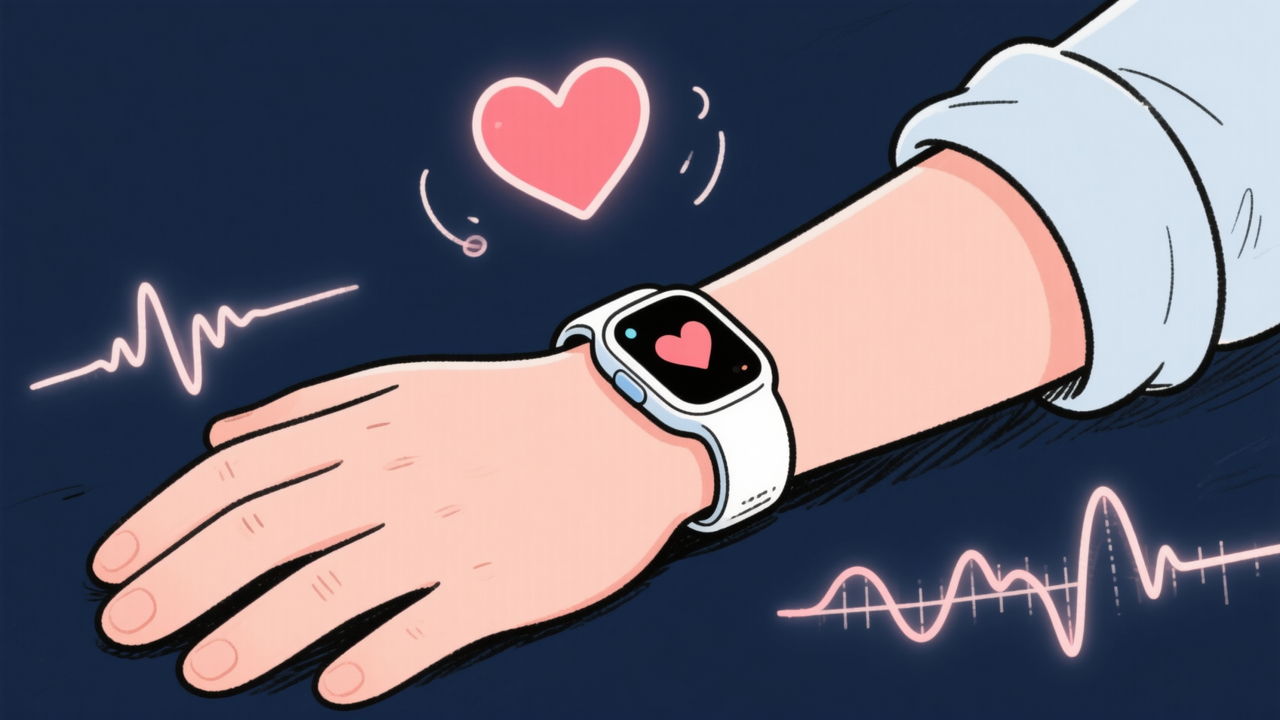
This is the evidence layer. You picked a question. You chose your measurement layers. You observed yourself or your participants over days or weeks. Show us what you tracked and what the data looks like. This can be as simple as daily HRV from a smartwatch or as deep as blood panels with 100+ biomarkers. What matters is that you measured something, consistently, and can show the trajectory.
What did you do differently? What did you change?
This is the action layer. Monitoring alone is a dashboard. An intervention is what makes it an experiment. You changed your diet. You practiced Baduanjin every morning. You built a tool and tested it on co-livers. You ran a CGM protocol with structured meals. The intervention doesn’t need to be dramatic. It needs to be defined: what you did, how often, for how long, and what you expected to happen.
What did you produce? What can people see, touch, try, or take home?
This is the output layer. Every presenter ships something tangible. A dataset. A dashboard. A protocol document. A film. An app. A recipe. A before/after report. A zine. An AI agent that recommends breakfast based on your CGM data. “We discussed it a lot” is not a deliverable. “We built a glucose-meal correlation dashboard and here’s the live demo” is.
Most presenters work with Layers 1–2. Some go deeper. The template tracks show the range: the CGM track uses Layer 2 + Layer 1; the Bodywork track uses Layer 1 only. Your track can go to Layer 5 — or stay at Layer 1 and still present a compelling reveal. The only requirement: whatever you measured, show the data.
Every presenter prepares one Dual Ledger Card — an artifact that bridges quantified signal with lived meaning.
Numbers on the left. Embodied meaning on the right. Both matter.
Everything shown at Proof of Living ships into the Longevity Commons — MU Shanghai’s open-source repository. Your work lives beyond PoL. Future cohorts build on what you started.
Your work lives beyond PoL. Future cohorts build on what you started.